Integrating Faith and Therapy: The Role of Spirituality in Mental Health
Oct 26, 2025
In recent years, there has been growing recognition of the importance of integrating spirituality and religion into therapy. For many of us, our faith traditions provide not only a sense of identity and belonging but also a source of resilience during challenging times. From Christian counselors to Muslim therapy services, culturally competent therapists are increasingly acknowledging how central spirituality can be in our healing journey.
Why Spirituality Matters in Counselling
Spirituality counseling goes beyond clinical interventions by recognising that many of us draw strength, hope, and meaning from their faith. Whether a client practices Islam, Christianity, Hinduism, Sikhism, Buddhism, or another tradition, therapy that honours these beliefs can foster deeper trust and more holistic healing. For example, during festivals like Diwali, South Asian clients may experience both joy and stress related to cultural and familial expectations. A South Asian therapist or counsellor who understands the significance of Diwali can create a safe space for clients to explore the emotions tied to these traditions.
Christian Therapy in the UK
Faith-based counseling is especially valuable in Christian communities. For example, many people seeking a Christian therapist want to ensure that their counselor understands biblical values, church life, and the role of prayer in coping with cultural challenges. Churches within black community groups in London often encourage members to seek counseling that incorporates scripture and spiritual practices. Access to Christian therapy services means that clients can integrate prayer, scripture, and pastoral care with evidence-based therapeutic approaches.
Within the Black community, spirituality has long been a foundation of resilience. Whether through the church, prayer circles, or community gatherings, spiritual practices offer support in times of struggle. Black counsellors who offer spirituality counseling provide an essential service by weaving together cultural pride, faith, and mental health expertise. For example, therapists working with black community groups in London may use prayer, gospel music, or scriptural reflection as therapeutic tools while also addressing issues like racial trauma, stress, or anxiety.
Muslim Therapy and Culturally Sensitive Practice
For Muslim clients, therapy must respect Islamic values around family, modesty, and community. Muslim therapy may include acknowledgment of practices like daily prayers, fasting during Ramadan, and the importance of faith in navigating difficulties. South Asian therapists in the UK, especially those with shared cultural and linguistic backgrounds, are often uniquely positioned to provide this type of sensitive support. These therapists can also bridge generational gaps, helping younger Muslims navigate identity and cultural expectations within the British context.
The Role of South Asian Therapists in the UK
The demand for South Asian therapists has increased significantly, particularly among clients seeking culturally competent counselors who understand the complexities of migration, intergenerational conflict, and religious traditions. Whether the client is Hindu, Sikh, Muslim, or Jain, having a therapist who recognises the impact of cultural festivals such as Diwali or Vaisakhi can make therapy more relevant and effective.
For example, “Mrs Bibi or Mrs Begum syndrome” is a medical cliche that exists within British hospitals. Usually geared towards older South Asian women, it implies that members of this cultural group tend to exaggerate their symptoms. The name Bibi or Begum comes from the fact that many South Asians, specifically Pakistani and Bangladeshi, share that surname.
Representation in South Asian therapy ensures that clients feel understood without needing to over-explain their cultural or spiritual background.
Building Inclusive Therapist Networks
Access remains a challenge for many people of faith and minority backgrounds. Therapist networks and directories that highlight, for example, Black or Asian therapists, are vital for making therapy more accessible. These platforms help clients find professionals who not only share cultural or religious backgrounds but also understand the nuances of race, faith, and identity in the UK. By strengthening therapist networks, communities can ensure that mental health care is inclusive and representative.
Toward Holistic Healing
Integrating spirituality and religion into therapy does not mean abandoning clinical best practices. Instead, it means enhancing therapy with an awareness of how deeply faith informs clients’ worldviews. By honoring spiritual traditions, whether through Christian therapy, Muslim therapy, or acknowledgment of South Asian festivals like Diwali, therapists create an inclusive and compassionate space for healing.
As therapist networks grow and more culturally competent therapists, counsellors, and coaches become visible, individuals from diverse backgrounds will increasingly feel supported. Integrating faith into therapy reflects not just good practice, but a commitment to holistic, culturally sensitive care that honours the whole person: mind, body, and spirit.
Book your first session today
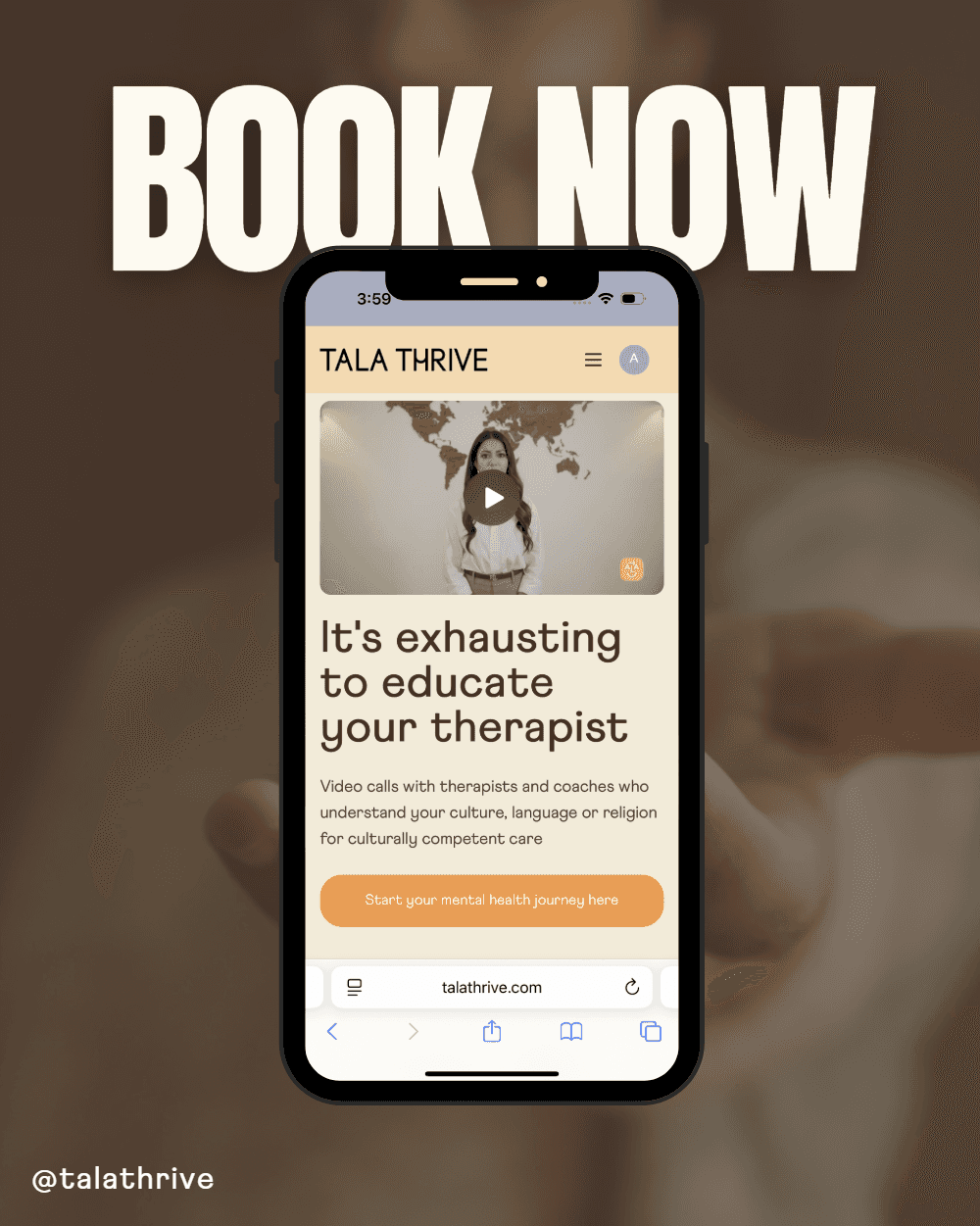
At Tala Thrive, we connect you with culturally competent therapists, counsellors, and coaches who understand your culture, language and/or religion, and can help you unpack why you may not be feeling ok.
Download our app and book your first session today at Tala Thrive and join our community to get the support you need.
If you sign up today, you get 10% OFF your first session with code: LAUNCH10
Remember, we want you to thrive - mentally, physically, and emotionally - so you can start living the life you truly deserve.